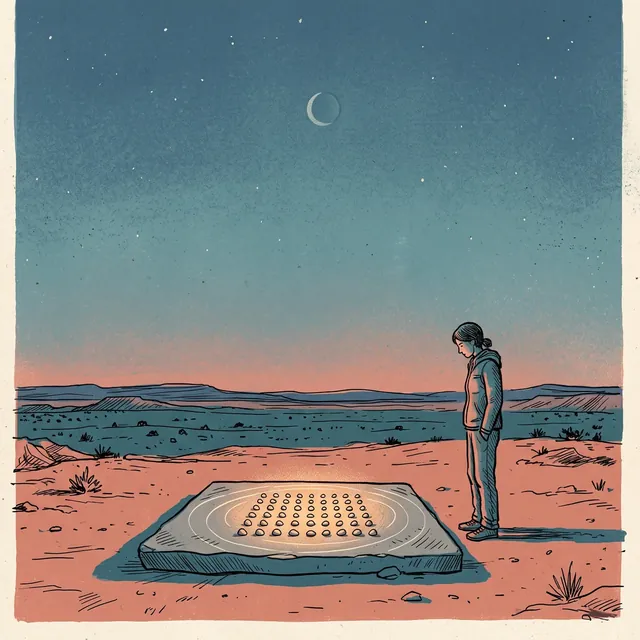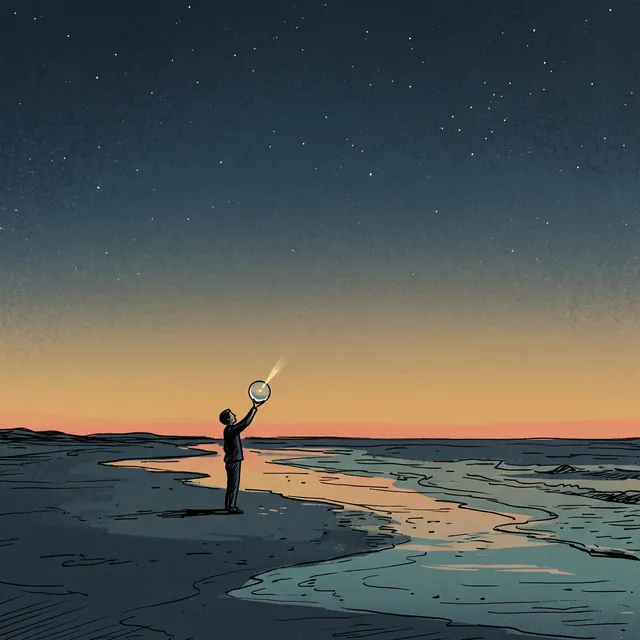
Building upon preexisting natural or technical foundations may offer convenient starting points, but long-term value creation arguably depends on novel synthesis rather than simple extraction. A clear operational distinction between what naturally exists and what human operators actively construct can help define where true innovation resides. When baseline components remain unencumbered by exclusive claims, creators can focus their collective energies on designing higher-level tools and methodologies.
Wikipedia's current-events log for June 13, 2013 recorded that the United States Supreme Court rules that isolated human genes are not patentable, invalidating BRCA gene patents held by Myriad Genetics. The New York Times reported that the Supreme Court ruled unanimously that human genes may not be patented. Justice Clarence Thomas wrote for the court that Myriad did not create anything. He stated that a naturally occurring DNA segment is a product of nature and not patent eligible merely because it has been isolated.
How Separating Discovery from Invention Can Guide Strategy
Distinguishing foundational inputs from custom engineering can meaningfully alter how technical organizations approach strategy and product development. When raw ingredients remain accessible within an open ecosystem, diverse teams can freely explore distinct methods for solving complex challenges without risking foundational infringement.
Allowing broad control over unmodified components could potentially hinder broader scientific and commercial progress. When regulatory bodies or courts delineate between unvarnished discovery and synthetic creation, organizational incentives may naturally realign toward developing genuine mechanisms rather than monopolizing natural architecture.
Ventures that ground their business models solely on isolating pre-existing structures might face severe operational exposure when standard governance treats basic elements as common infrastructure. Sustainable differentiation could perhaps rely less on claiming foundational discovery and far more on building practical, reliable applications around those elements.
Understanding this distinction can encourage founders and strategists to direct resources toward tangible synthesis. In general, discovering a natural rule or object may be valuable, but durable utility arguably emerges when builders transform those raw findings into original, functional systems.
Lasting competitive value may ultimately rest not on claiming what nature has provided, but on what humans actively build with it.
Sources
- Portal:Current events/2013 June 13 (revision 561460604) - Wikipedia, 2013-06-25
- Justices, 9-0, Bar Patenting Human Genes - NYTimes.com - The New York Times, 2013-06-13