Spaceflight may be in a period of change. Work long associated with national governments may be moving partly into the commercial sector.
SpaceX launched its Dragon spacecraft into low-Earth orbit atop a Falcon 9 rocket.
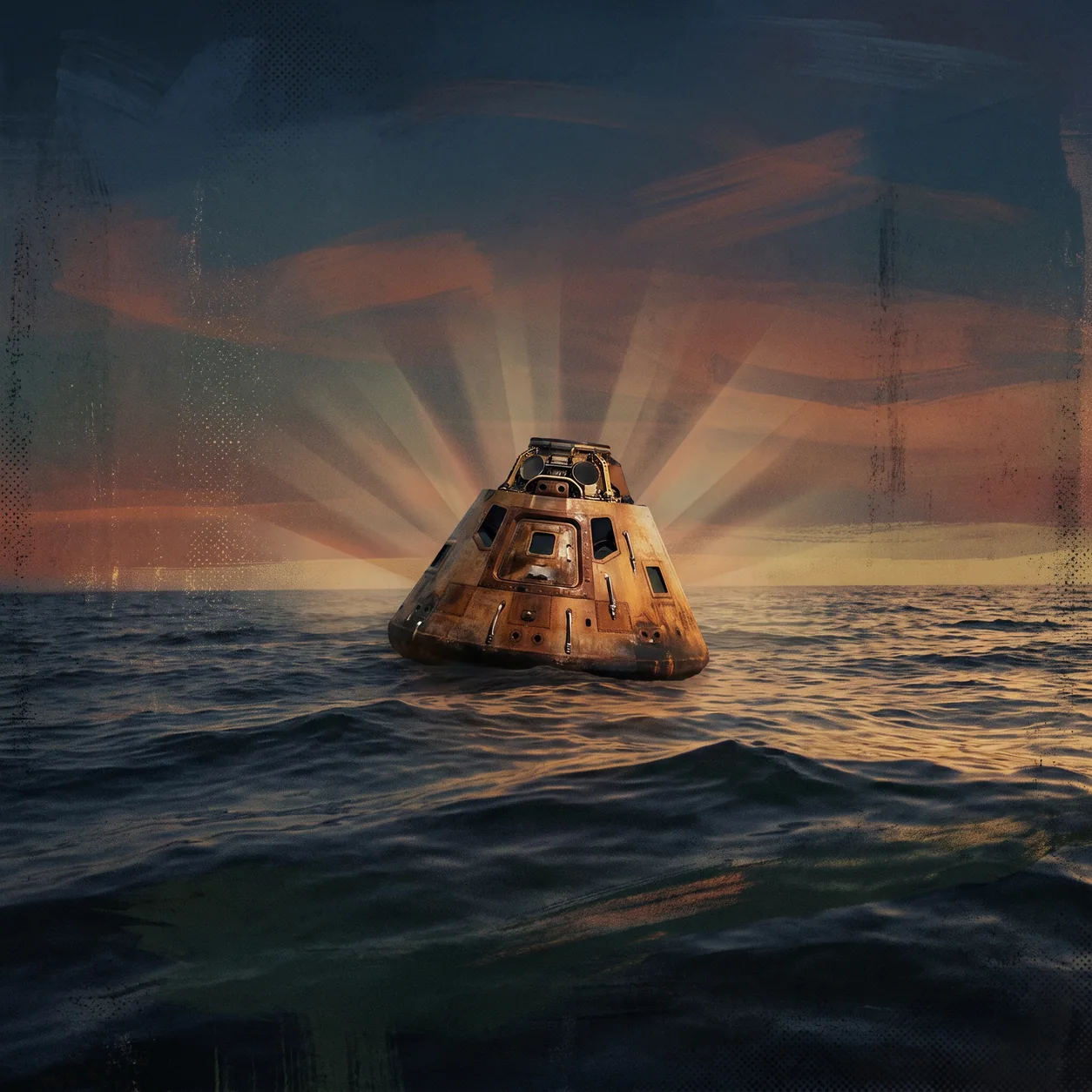
SpaceX said the Dragon spacecraft reentered the Earth’s atmosphere and landed in the Pacific Ocean shortly after 2:00 PM EST. The capsule hit the water three hours, 19 minutes and 52 seconds after the launch from Florida. SpaceX stated that it became the first commercial company in history to re-enter a spacecraft from low-Earth orbit.
Shifting the Aerospace Baseline
BBC News reported that the firm has a $1.6bn (£1bn) contract with the US space agency (Nasa) to provide 12 spacecraft.
This transition suggests a new model for infrastructure development. When private firms execute complex atmospheric reentries, the underlying economics of space access may begin to change. In general, a contract model may shift some operational risk from public agencies to private contractors. Such an arrangement may push commercial entities to weigh reliability and cost together.
Applying product development frameworks to aerospace hardware introduces different incentives. Rather than optimizing solely for bespoke scientific missions, commercial firms might prioritize repeatable, scalable architectures. One reading is that a commercial firm can build and test systems able to survive such conditions, and that the barriers to low-Earth orbit operations may be shifting.
Perhaps space exploration is becoming as much a test of commercial engineering as of national capability.
Sources
- Space Exploration Technologies Corporation - Press - SpaceX, 2010-12-08
- BBC News - Private space capsule's maiden voyage ends with splash - BBC News, 2010-12-08