The search for habitable environments requires moving past theoretical models to locate specific, measurable targets. When observation tools reach a certain threshold of precision, abstract questions about the universe become concrete data points.
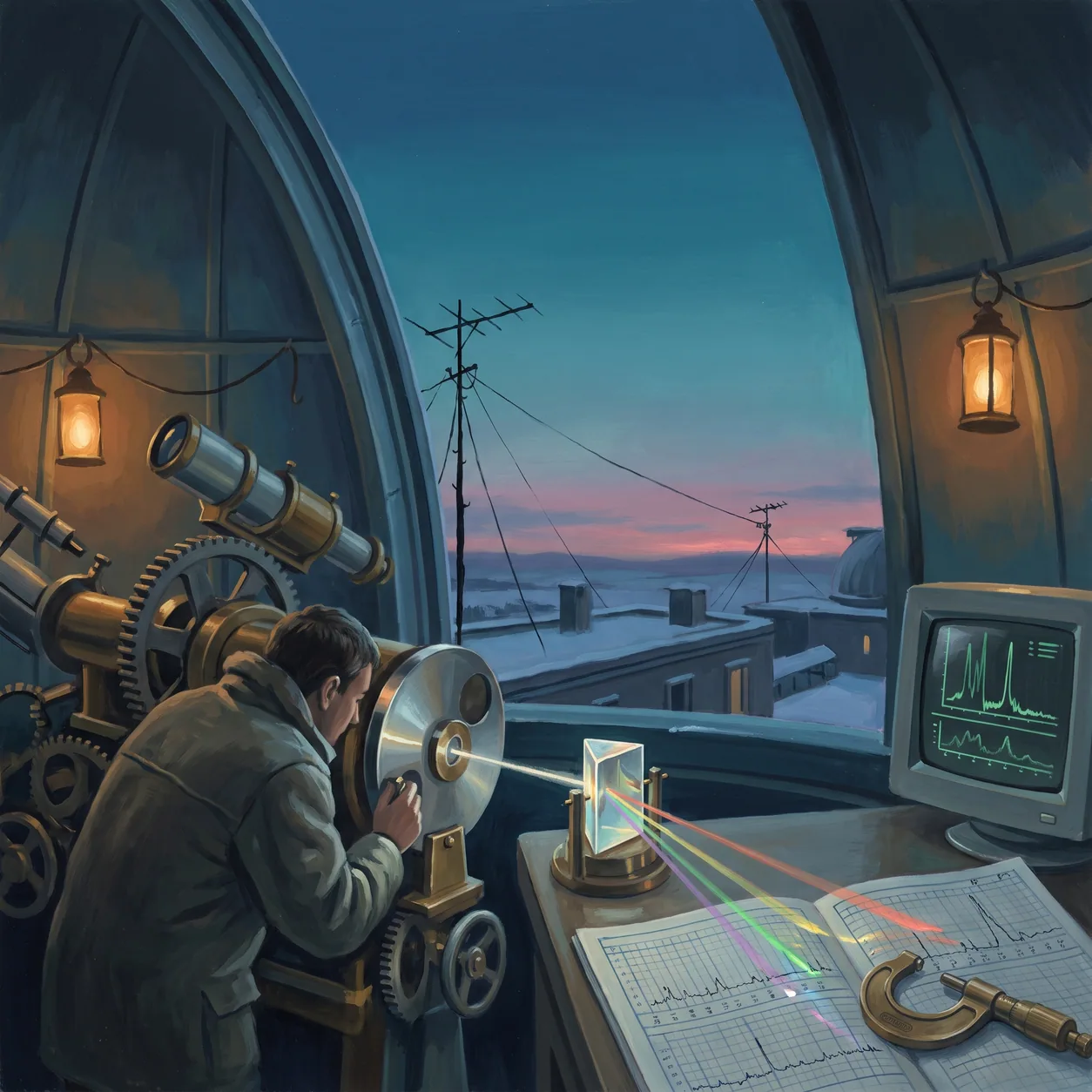
The scientists discovered the new world using the HARP instrument on the European Southern Observatory 3.6 meter telescope in La Sille, Chile.
The Scale of Observation
Describing a distant world starts with a few approximate physical figures. The star Gliese 581 is located 20.5 light years away in the constellation Libra. The new planet is about 50 percent bigger than Earth and about five times more massive.
These figures are the starting point for any further questions about the planet. Each later judgment has to be built on figures like these rather than on expectation.
Advancing the underlying instrumentation directly expands the scope of what can be classified and studied. The hardware dictates the boundaries of the inquiry. By refining the tools used to scan distant star systems, researchers can isolate the precise variables that define a habitable environment. The focus shifts from merely proving that other planets exist to categorizing their physical properties and evaluating their potential to sustain familiar chemical processes.
Progress in understanding complex systems often depends less on asking new questions and more on building the instruments required to measure the answers.
Sources
- Major Discovery: New Planet Could Harbor Water and Life - Space.com, 2007-04-24