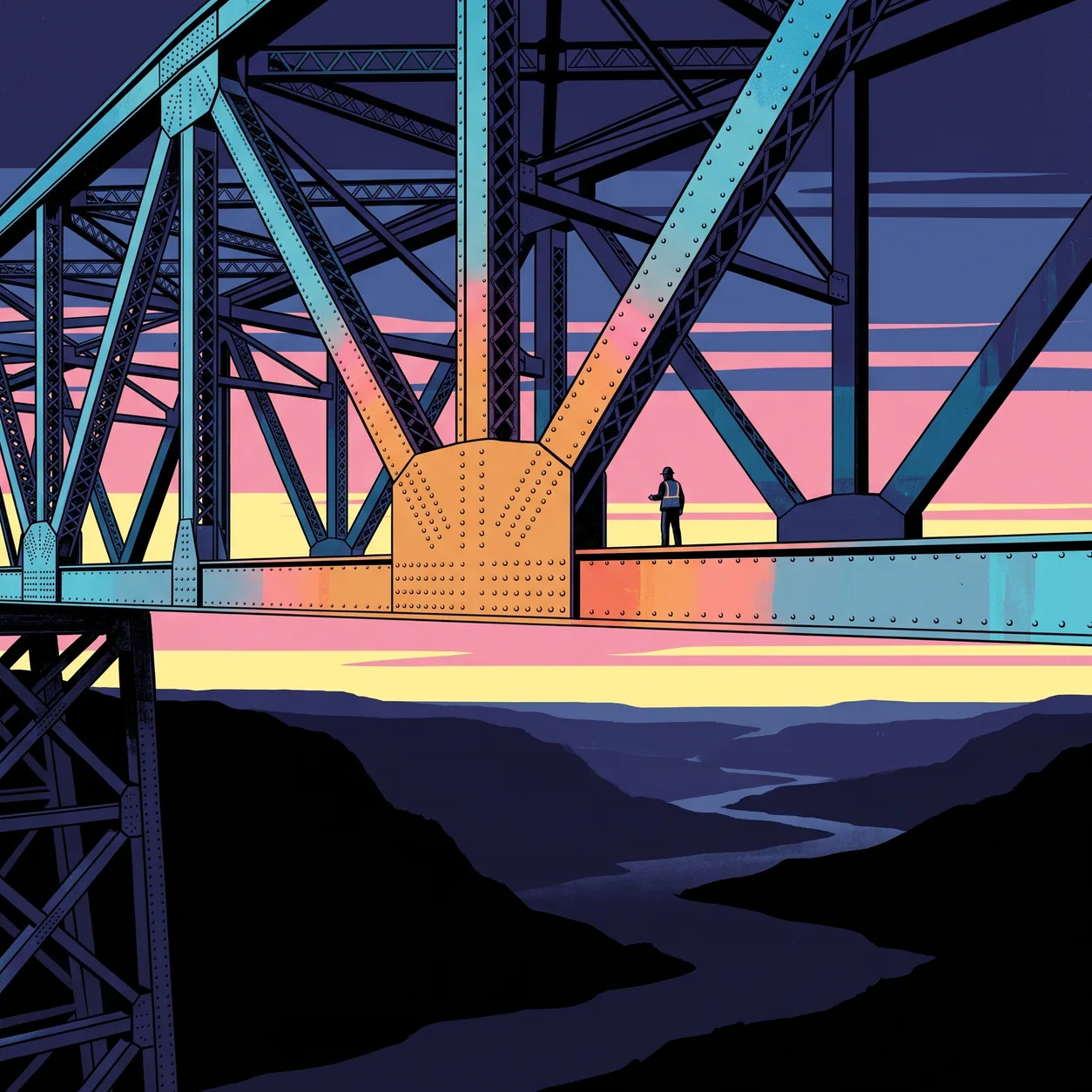
Taking a complex technical system offline for an extended duration might initially resemble a costly pause in progress, but deliberate operational stops can be essential for long-term scalability. A planned halt may provide engineering teams with the crucial window needed to inspect and reinforce underlying infrastructure that cannot be safely modified while running at full capacity. Without these dedicated periods of maintenance, hidden structural bottlenecks might remain unaddressed, potentially capping the overall potential of the platform.
CERN reported that, after several months of preparation for restart, the Large Hadron Collider, the most powerful particle accelerator in the world, is back in operation. Some 10,000 electrical interconnections between the LHC's magnets were consolidated. CERN Director-General Rolf Heuer stated, "Operating accelerators for the benefit of the physics community is what CERN’s here for".
How Scheduled Maintenance Might Enhance Systems Engineering
Modern project teams may often face heavy pressure to maintain continuous output and high availability, yet relentless execution can obscure accumulating architectural debt. When organizations grant themselves the operational latitude to halt active services, they can systematically examine and upgrade foundational elements that might otherwise fail under heavier operational demands. A temporary shift away from active service might feel counterproductive in the short term, but it could lay the necessary foundation for future technical milestones that smaller, piecemeal updates could never achieve.
Why Deep Refactoring Can Protect Long-Term Platform Goals
Focusing exclusively on perpetual uptime may keep an engine running, but it can also prevent an organization from upgrading its core capacity. Complex infrastructure might often rest on thousands of subtle interconnections that can require periodic oversight to remain functional over time. System designers who plan for extensive consolidation cycles might find that intentional downtime can yield far greater long-term stability than attempting to repair complex hardware during active operation.
True operational strength might depend less on unbroken continuous uptime and more on the willingness to pause and consolidate core infrastructure when required.
Sources
- Proton beams are back in the LHC | CERN - CERN, 2015-04-05