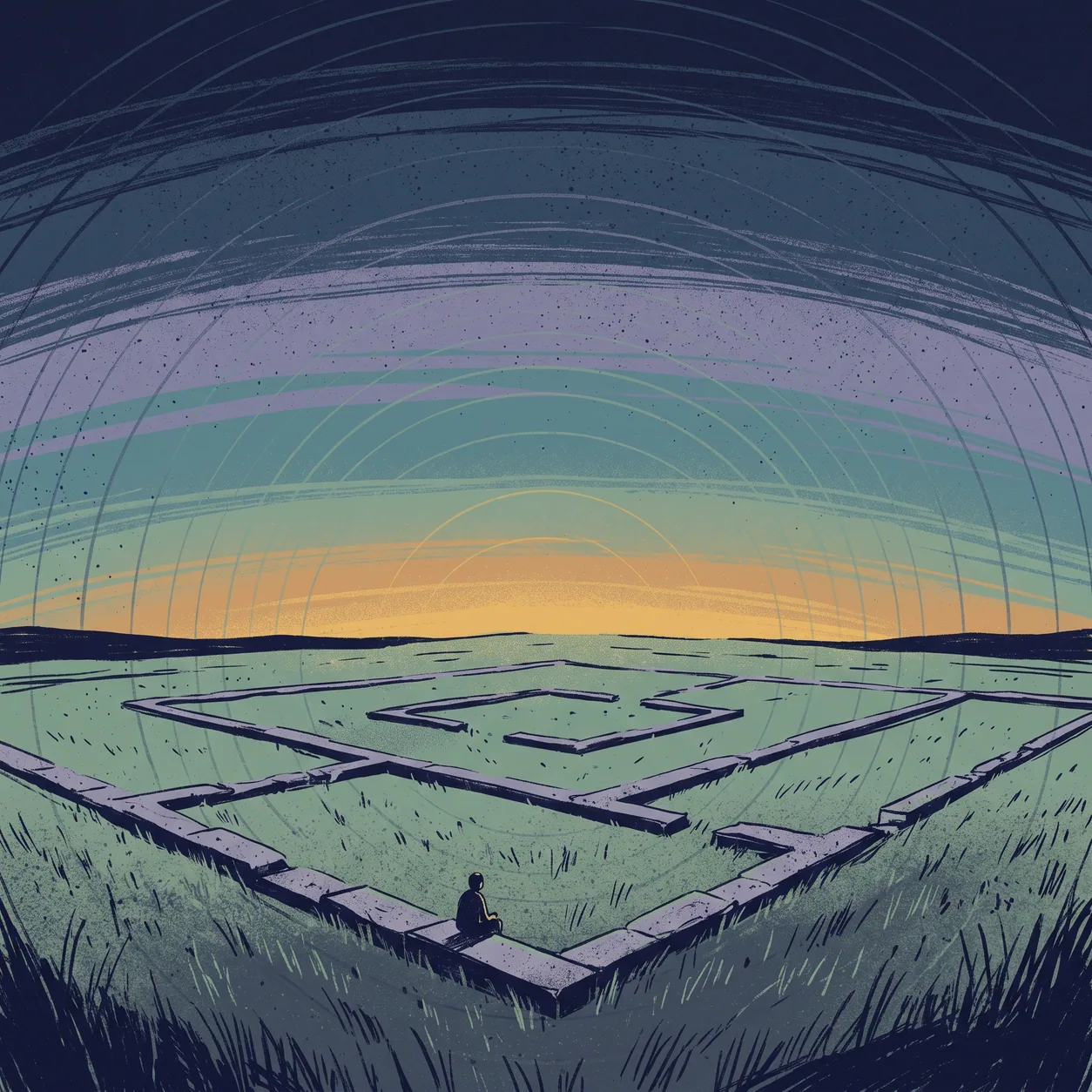
Long-term knowledge systems may depend less on immediate utility and more on deliberate structural permanence. Wikipedia's current-events log for August 2, 2018 recorded that archeologists of the Romano-Germanic Museum reported the discovery of the foundations of a Roman library building in Cologne. Wikipedia's current-events log added that, dating from the 2nd century CE, the library is the oldest library yet discovered in Germany.
How underlying structures might preserve shared knowledge
Ancient structural discoveries can offer a valuable perspective on how modern information architecture might be approached. When physical spaces are engineered with long-term purpose, their foundational footprints can remain recognizable across centuries. In digital software development as well as physical municipal construction, early structural decisions might govern whether a project can successfully weather unexpected cultural or technological shifts.
Building repositories designed to endure might require balancing immediate output with long-range systemic stability. Organizations might frequently prioritize rapid content creation or temporary features, potentially underestimating the quiet power of resilient infrastructure. A carefully planned framework could arguably outlive its original social context, continuing to reflect architectural intent long after transient components disappear. Such structural decisions might offer silent guidance for future generations seeking to understand how previous institutions managed and stored knowledge.
Why intentional foundations can shape future longevity
Designing systems with prospective longevity can alter how builders evaluate trade-offs between rapid delivery and long-term stability. When technical teams choose to prioritize structural integrity over short-term optimizations, they might establish platforms capable of adapting to evolving demands over extended periods. Systemic resilience may depend on whether initial creators consider how future observers could interpret their structural frameworks.
Reflecting on physical preservation can encourage contemporary teams to look beyond immediate operational deadlines. Operational systems can face the risk of prioritizing current performance while overlooking long-term maintenance, which might leave structures vulnerable to degradation as environments change. By focusing on foundational quality at the beginning, builders could potentially create platforms that maintain clarity through major historical transitions.
In the end, the lasting value of a knowledge system might depend on how well its foundational principles survive after immediate uses fade.
Sources
- Portal:Current events/2018 August 2 (revision 855356701) - Wikipedia, 2018-08-17