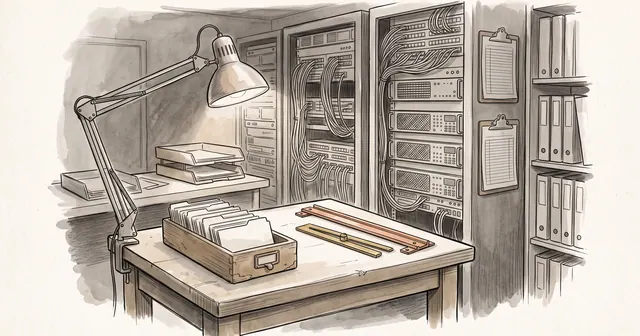
During late October 2012, historic storm surges along the United States Atlantic coast turned lower Manhattan and coastal New Jersey into a live stress test of metropolitan telecommunications infrastructure. As analyzed in contemporary OECD studies of Internet traffic exchange, the economic efficiency of peering has concentrated hundreds of autonomous systems, submarine cable backhauls, and regional Internet Exchange Points inside a handful of historic urban carrier hotels. When seawater overtopped coastal bulkheads and poured into lower-street basements, engineering teams watching remote network consoles discovered that placing routers on the tenth floor offered no protection when the building's electrical heart sat below street grade. This crisis poses an urgent architectural question: What happens to regional network resilience when carrier hotels concentrate their power and fiber entry points below flood-surge elevation?
Why did upper-floor colocation halls fail when storm water reached basement utility vaults?
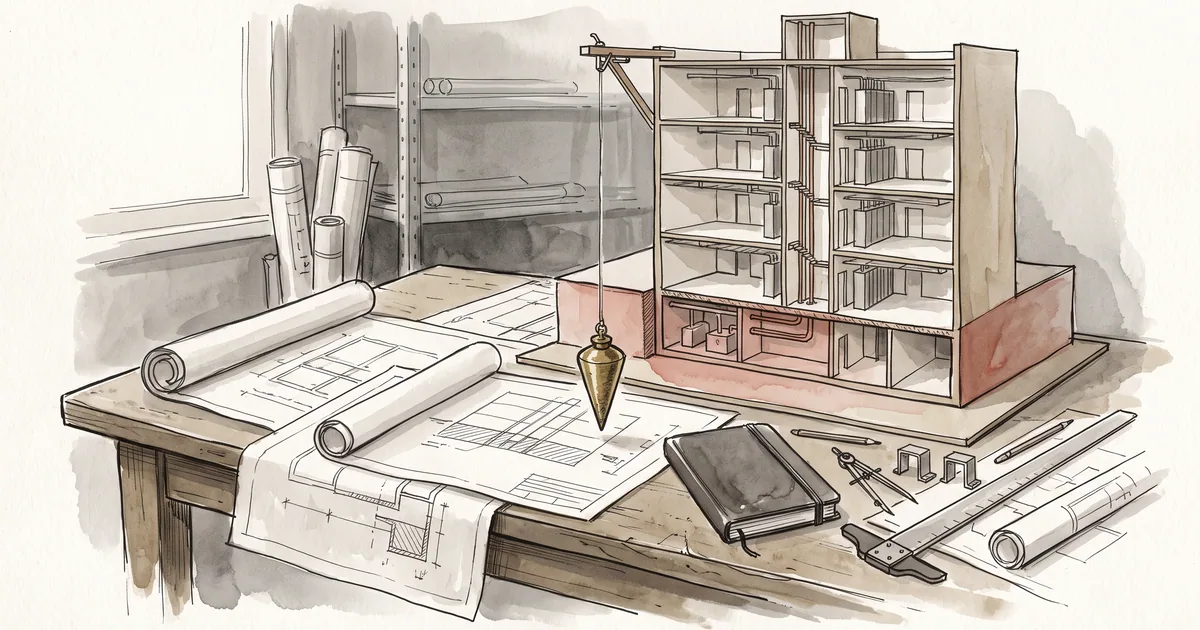
Urban carrier hotels evolved inside twentieth-century industrial and telephone exchange buildings engineered around gravity and subterranean utility access. Heavy lead- and polyethylene-sheathed fiber trunks enter the structure through underground street manholes and cable vaults, while high-voltage municipal utility feeders terminate in basement transformer rooms and main distribution switchgear. Even when colocation providers install optical transport racks, core routers, and peering switches on upper stories safe from surface flooding, those upper halls remain tethered to the basement by vertical riser shafts carrying copper busbars and chilled-water pipes.
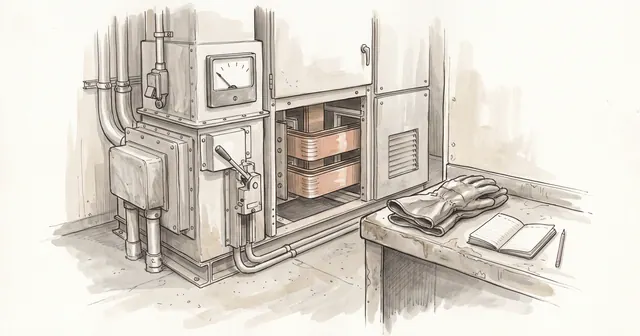
Telecommunications disaster recovery assessments show that subterranean vaults are acute single points of failure during urban inundation. As storm surge pressure forces conductive brackish water through unsealed conduit sleeves, sidewalk grates, and foundation penetrations, basement sump pumps are quickly overwhelmed. Once rising water reaches main switchgear cabinets, uninterruptible power supply rectifiers, or automatic transfer switches, ground-fault protection trips immediately, or salt water shorts the busbars outright, cutting electrical feed to dry server suites ten floors above. At the network layer, the sudden loss of an entire carrier hotel triggers simultaneous Border Gateway Protocol session drops across dozens of co-located peers, forcing regional traffic to reconverge across distant inland exchange points.
How do fuel-pump power dependencies defeat rooftop backup generators during extended grid loss?
To protect standby generation from street-level flooding, many multi-story telecom facilities mount their diesel engine-generators on setbacks or rooftops while storing bulk diesel fuel in massive underground or basement belly tanks mandated by municipal fire codes. That vertical separation creates a critical electro-mechanical dependency: rooftop generators rely on smaller local "day tanks" that hold only a few hours of fuel, replenished continuously by electric booster pumps located down in the basement fuel vault.
When floodwaters submerge the basement pump room or sever the auxiliary power panels feeding the transfer pumps, the rooftop generators continue running only until their day tanks run dry. Reviews of critical infrastructure interdependencies and telecommunications backup power logistics underscore how rapidly a facility failure shifts from an electrical problem to a civil-logistics crisis during prolonged grid blackouts. Even where basement pumps are restored or bypassed, flooded tunnels, downed trees, and regional fuel shortages block diesel tanker trucks from reaching downtown loading docks, forcing operations crews to form manual bucket brigades up dark stairwells to keep critical peering switches alive.
What physical civil-engineering realities govern digital continuity in coastal metropolitan hubs?
The October 2012 coastal floods stripped away the marketing abstraction of a weightless cloud and exposed the civil-engineering foundations beneath global packet routing. Redundant BGP sessions and multi-carrier peering agreements cannot survive when every carrier in a metropolitan region terminates inside the same flood-zone buildings and relies on sub-grade switchgear. Achieving authentic disaster resilience in coastal telecom hubs requires elevating main electrical distribution, transfer switches, and fuel-pump controls above maximum storm-surge levels, pressure-sealing subterranean fiber vaults, and distributing core peering fabrics across geographically and topographically diverse inland facilities.
Sources
- Organisation for Economic Co-Operation and Development (OECD): Internet Traffic Exchange, 2012-10-19
- Auerbach Publications (Taylor & Francis): Dealing with Telecommunications Disaster Recovery Realities, 1999-11
- IEEE: Advantages of liquid fuel vs. hydrogen for backup power fuel cell systems in telecom, 2010-06-06
- IEEE: Vulnerability and interdependency of critical infrastructure: A review, 2010-11-11