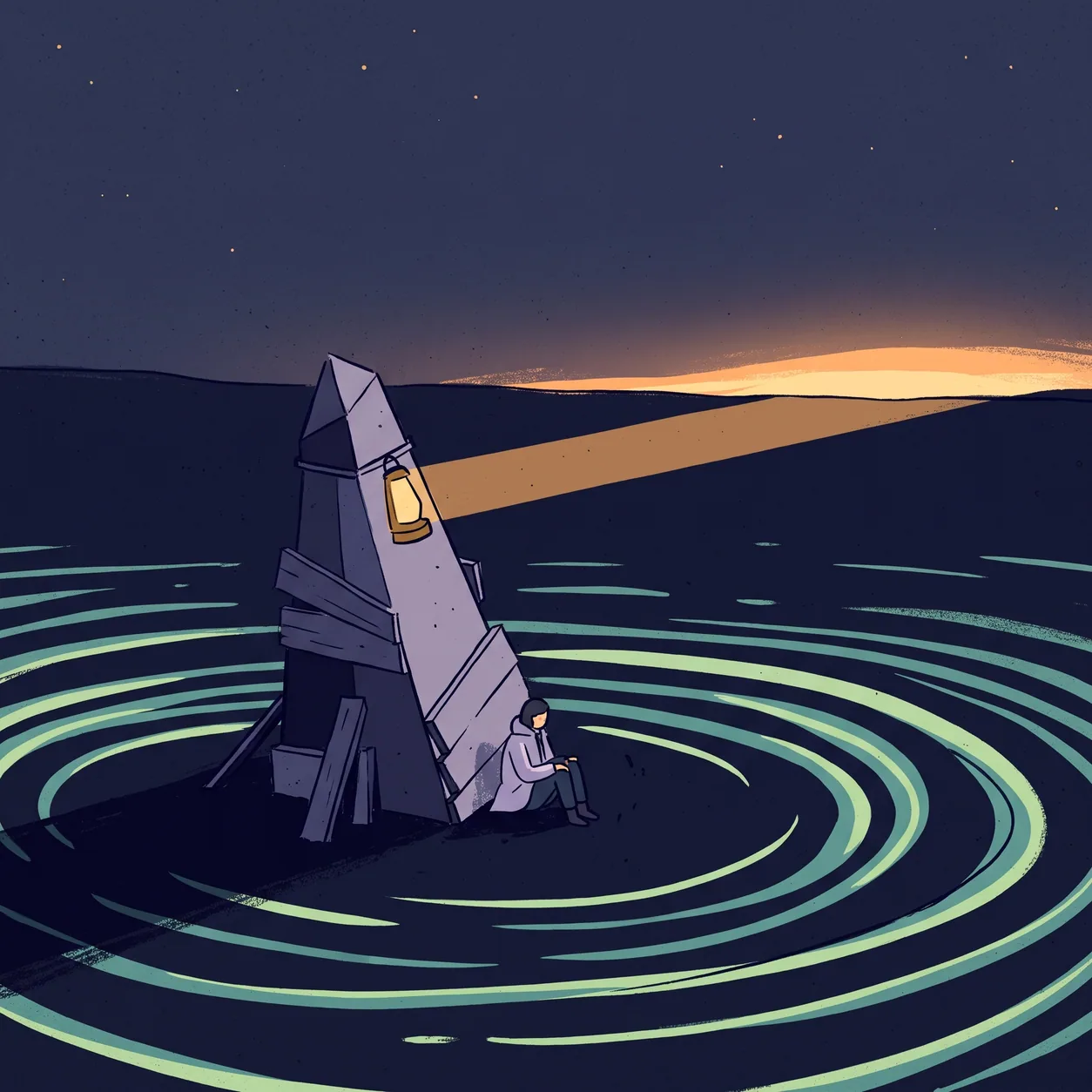
Reaching an ambitious operational milestone can often present unexpected trade-offs between initial objectives and immediate physical realities. When complex systems operate in unfamiliar environments, ultimate success might depend on adapting priorities under tight operational constraints rather than expecting flawless execution. Navigating unexpected friction early in a deployment could provide vital strategic insights for future endeavors.
The Conversation reported that the Japanese Aerospace Exploration Agency launched the Smart Lander for Investigating Moon, known as SLIM, in September 2023. Wikipedia's current-events log for January 19, 2024 recorded that the JAXA lunar probe SLIM achieved the first-ever lunar soft landing of a Japanese spacecraft. The Japan Aerospace Exploration Agency confirmed that the Smart Lander for Investigating Moon successfully landed on the moon surface on January 20.
The agency confirmed that communication with spacecraft has been established after the landing. However, the same 20 January statement said the solar cells were not generating power at that time and that priority was given to data acquisition from the SLIM on the moon.
Why Immediate Adaptation Could Matter More Than Flawless Operation
When novel hardware arrives at a remote target, immediate power anomalies can force engineers to make rapid tactical trade-offs. In high-stakes technical ventures, prioritizing critical data collection over long-term continuous operations might represent the most practical operational choice. Such decisive action could allow engineering teams to preserve essential evidence of achievement even when power generation systems perform unpredictably. Builders can observe that maintaining reliable communications under sub-optimal conditions might salvage a mission's core value.
How Unforeseen Constraints Might Inform Future System Architecture
Unexpected hardware limitations after deployment may offer invaluable real-world data for subsequent software and hardware iterations. Iterative progress in complex systems might rely on accepting temporary operational constraints as diagnostic opportunities rather than complete system failures. Future technical endeavors could benefit immensely from analyzing how hardware behaves during unscripted power shortages. Ultimately, long-term durability might be defined not by avoiding all operational friction, but by securing vital results despite unforeseen hurdles.
Sources
- Portal:Current events/2024 January 19 (revision 1198754497) - Wikipedia, 2024-01-25.
- Japan is about to land its first lunar probe. As more nations race to the Moon, how will we keep the peace? - The Conversation, 2024-01-19.
- JAXA | The results of the Moon Landing by the Smart Lander for Investigating Moon (SLIM) - Japan Aerospace Exploration Agency (JAXA), 2024-01-20.