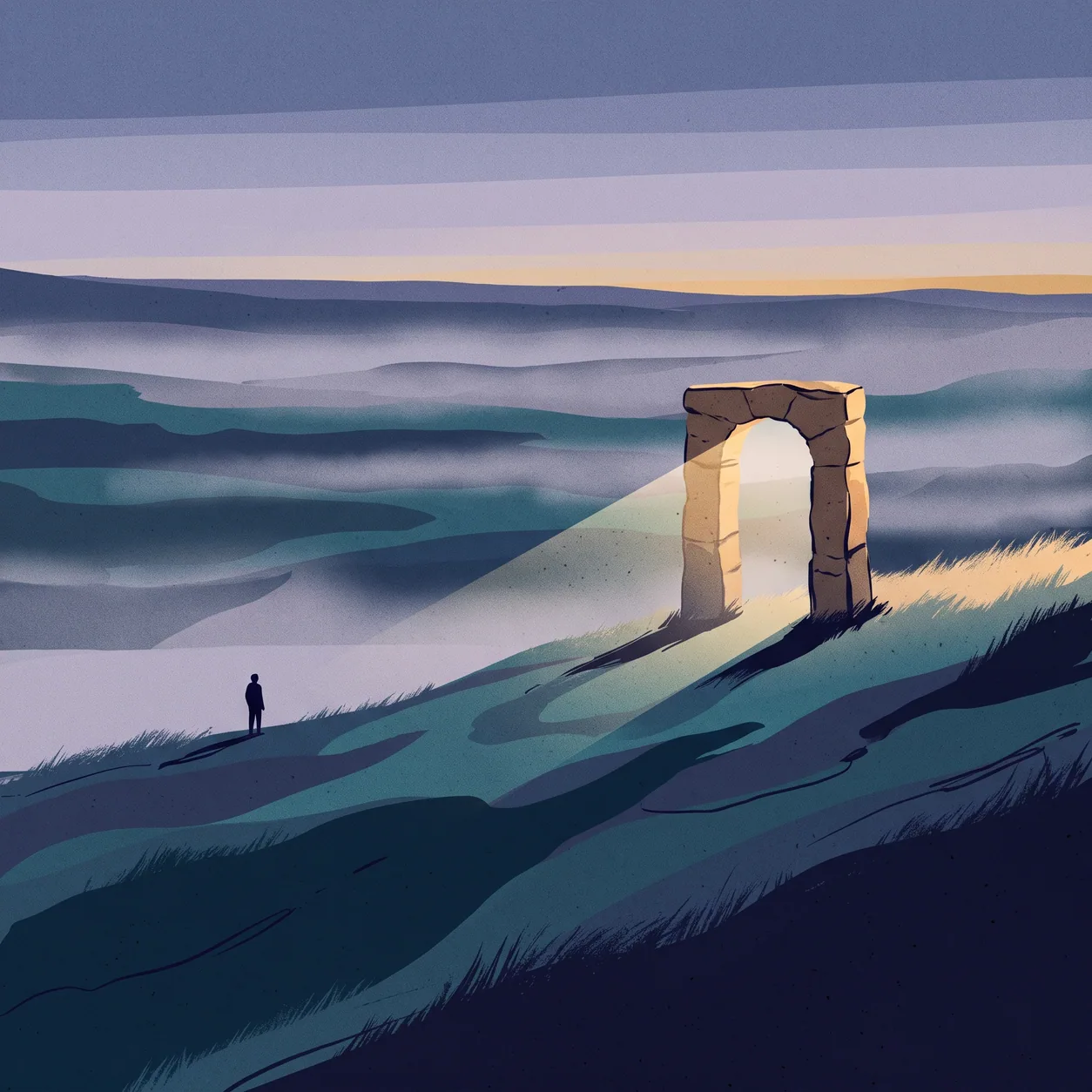
Great creative work can often gain its deepest resonance not from expansive coverage, but from deliberate spatial or conceptual constraint. By stepping back to a singular, distant viewpoint, creators might capture intricate underlying patterns that are otherwise obscured by everyday noise. Taking an elevated overview could allow complex human systems to appear surprisingly manageable, revealing quiet harmonies that might remain hidden at ground level.
Perhaps a clear illustration of this artistic choice can be found in contemporary literature. Wikipedia's current-events log for November 12, 2024 recorded that English novelist Samantha Harvey won the Booker Prize for her novel Orbital.
How Constrained Vantage Points Might Reframe Detail
When writers or designers choose to narrow their observational scope, they may uncover fundamental truths that broader surveys frequently overlook. A tightly bounded vantage point can perhaps compress sprawling detail into balanced visual or narrative geometry, allowing quieter human themes to emerge naturally. Rather than attempting to document every competing element, an author or creator might find far greater narrative strength in maintaining a firm, steady frame.
Why Distance Could Provide Better Clarity for Systems
This structural approach could hold valuable lessons for modern builders across various technical and creative domains. In product design, enterprise strategy, or system architecture, continually adding features or expanding operating boundaries might easily dilute an organization's core purpose. Maintaining a strict constraint can help teams isolate essential functions, potentially converting physical or technical limits into enduring creative assets.
Furthermore, anchoring an ambitious initiative around a specific, limited lens might encourage decisions that favor emotional or functional depth over superficial reach. When teams accept strict parameters early in a development cycle, they could discover that focus acts as a catalyst rather than a restrictive barrier. Disciplined restraint might prevent critical ideas from becoming lost in ambient complexity.
In an era where endless expansion often seems like the default path, taking a deliberate step back could provide an essential counterweight for thoughtful work. Ultimately, true clarity in complex projects might depend less on attempting to encompass everything, and far more on finding the right distance from which to observe.
Sources
- Portal:Current events/2024 November 12 (revision 1258020389) - Wikipedia, 2024-11-17