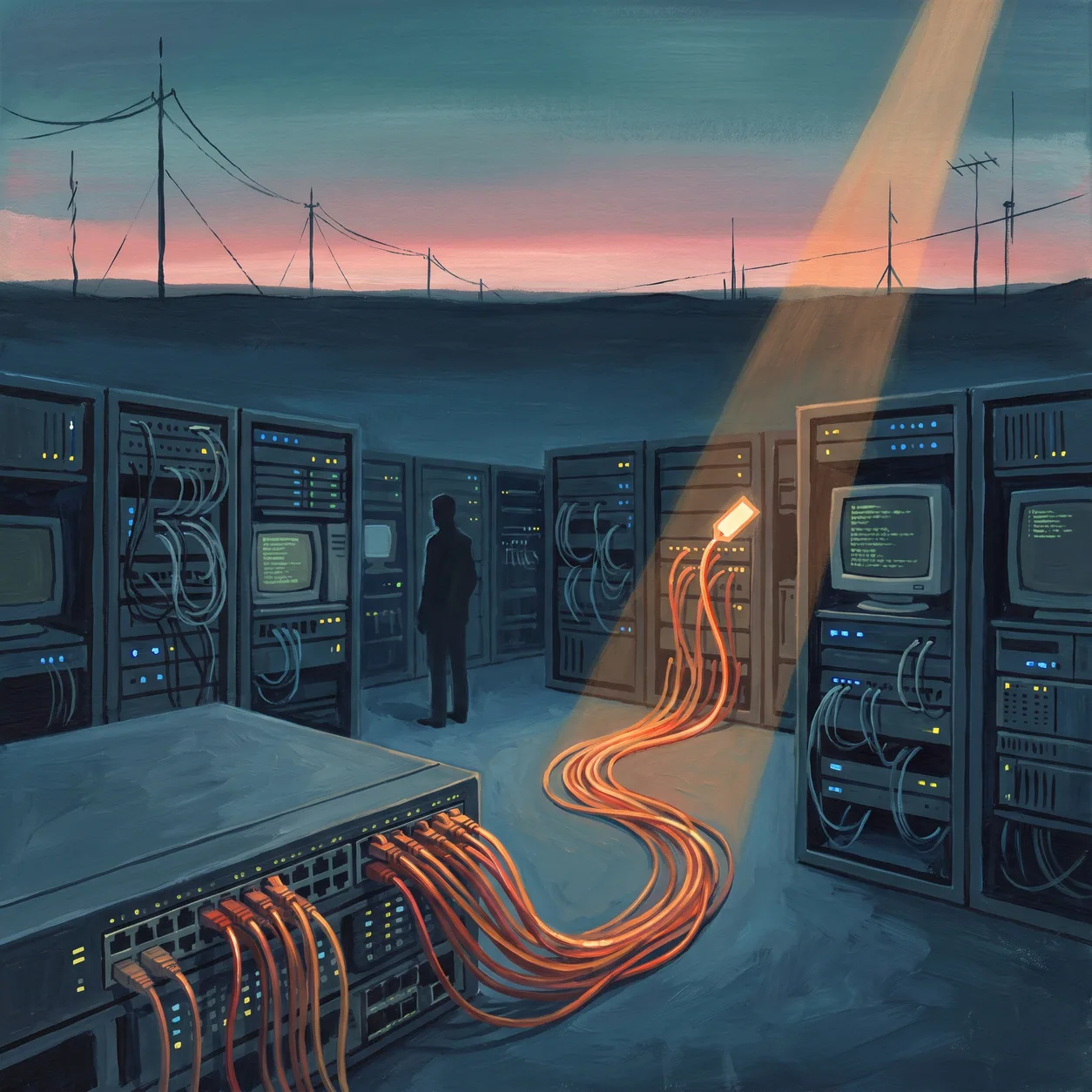
Anonymity on the internet relies on the assumption that the platform will keep your secrets. When the underlying infrastructure is exposed, quiet attempts to shape public perception become a matter of public record.
Wikipedia's current-events log for August 15, 2007, recorded that governments, companies, and non-profit organizations around the world have been editing Wikipedia to hide criticism and push a point of view. These previously anonymous edits can now be tracked to their source using the Wikipedia Scanner.
The program, WikiScanner, was developed by Virgil Griffith of the Santa Fe Institute in New Mexico.
How infrastructure exposes intent
One reading is that an edit made without a user account can feel anonymous, even when it may not be.
The data reveals specific interventions by federal agencies. Reuters reported that WikiScanner revealed that CIA computers were used to edit an entry on the U.S.-led invasion of Iraq in 2003. Furthermore, aerial and satellite images of the U.S. prison for terrorism suspects at Guantanamo Bay, Cuba, were removed using a computer traced to the FBI.
This structural exposure shifts the balance of power in digital information. The ability to edit a global encyclopedia is no longer separated from the accountability of who is making the edits. Systems designed to log activity for maintenance or security purposes inevitably become archives of human judgment and organizational priorities. The internet does not forget; it merely waits for someone to build the right lens to read the logs.
Sources
- Portal:Current events/2007 August 15 (revision 152918242) - Wikipedia, 2007-08-22
- New program tracks Wikipedia edits to CIA, MSNBC - Reuters, 2007-08-16