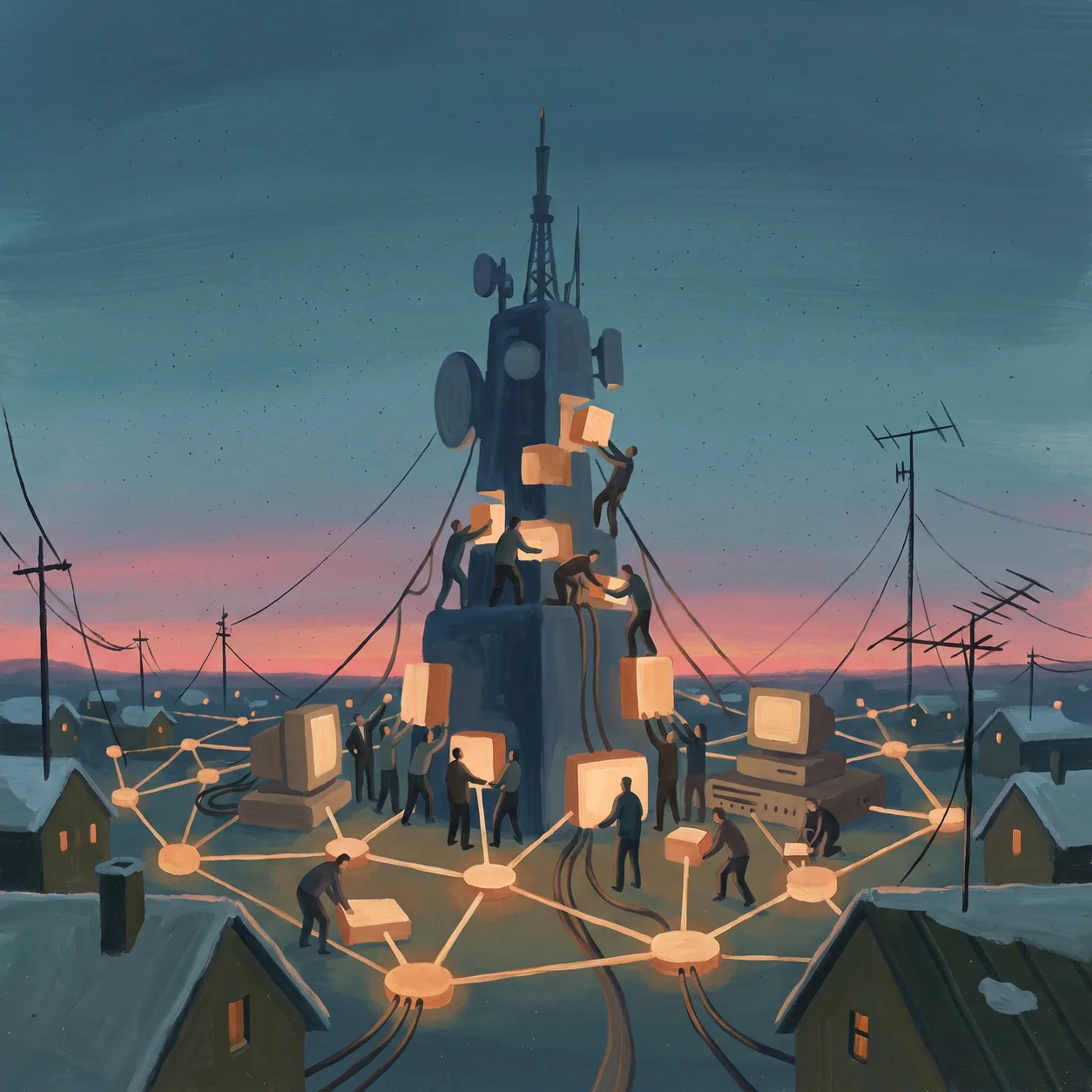
The architecture of information is shifting from institutional broadcasting to decentralized participation. Value no longer flows exclusively from a centralized creator to a passive audience, but emerges from the collective actions of the audience itself.
CNN reported that Time's Person of the Year for 2006 is "you". The December 25, 2006 issue of TIME magazine recognizes contributors of user-generated content to websites such as YouTube and Wikipedia as its Person of the Year.
This editorial decision reflects a structural change in how media is produced, distributed, and valued. Traditional gatekeepers are actively adapting to a landscape where the crowd generates the primary material. The same report noted that Reuters is carrying blog postings alongside its regular news feed.
Why Platforms Outpace Publishers
When a legacy publication highlights the anonymous contributor over a specific political or cultural leader, it acknowledges that the platform is merely a vessel. The true product is the network of active users. For builders of digital spaces, this requires designing for participation rather than mere consumption. The interface is no longer just a display mechanism; it is a workspace for the public.
The challenge of media shifts from creating content to designing systems that organize, filter, and elevate the contributions of the crowd. Trust and authority, once derived entirely from institutional mastheads, are increasingly negotiated through community consensus and algorithmic sorting. The integration of independent blogs into established news feeds demonstrates that even traditional publishers recognize the necessity of incorporating decentralized voices to remain relevant. They are forced to aggregate what they can no longer monopolize.
The most influential media entities may no longer be those that produce the best content, but those that build the best frameworks for others to create.
Sources
- Portal:Current events/2006 December 16 (revision 96709166) - Wikipedia, 2006-12-27
- Time's Person of the Year: You - CNN, 2006-12-16