Large changes in an industry can begin with small tests. Trying one new element at a time is a way to learn about it without changing everything else.
Isolating Variables in Complex Systems
Wikipedia's current-events log for February 24 recorded that a Virgin Atlantic Boeing 747 became the first commercial aircraft to make a flight powered by biofuel, flying between Heathrow and Amsterdam. BBC News reported the jumbo jet used fuel derived from a mixture of Brazilian babassu nuts and coconuts.
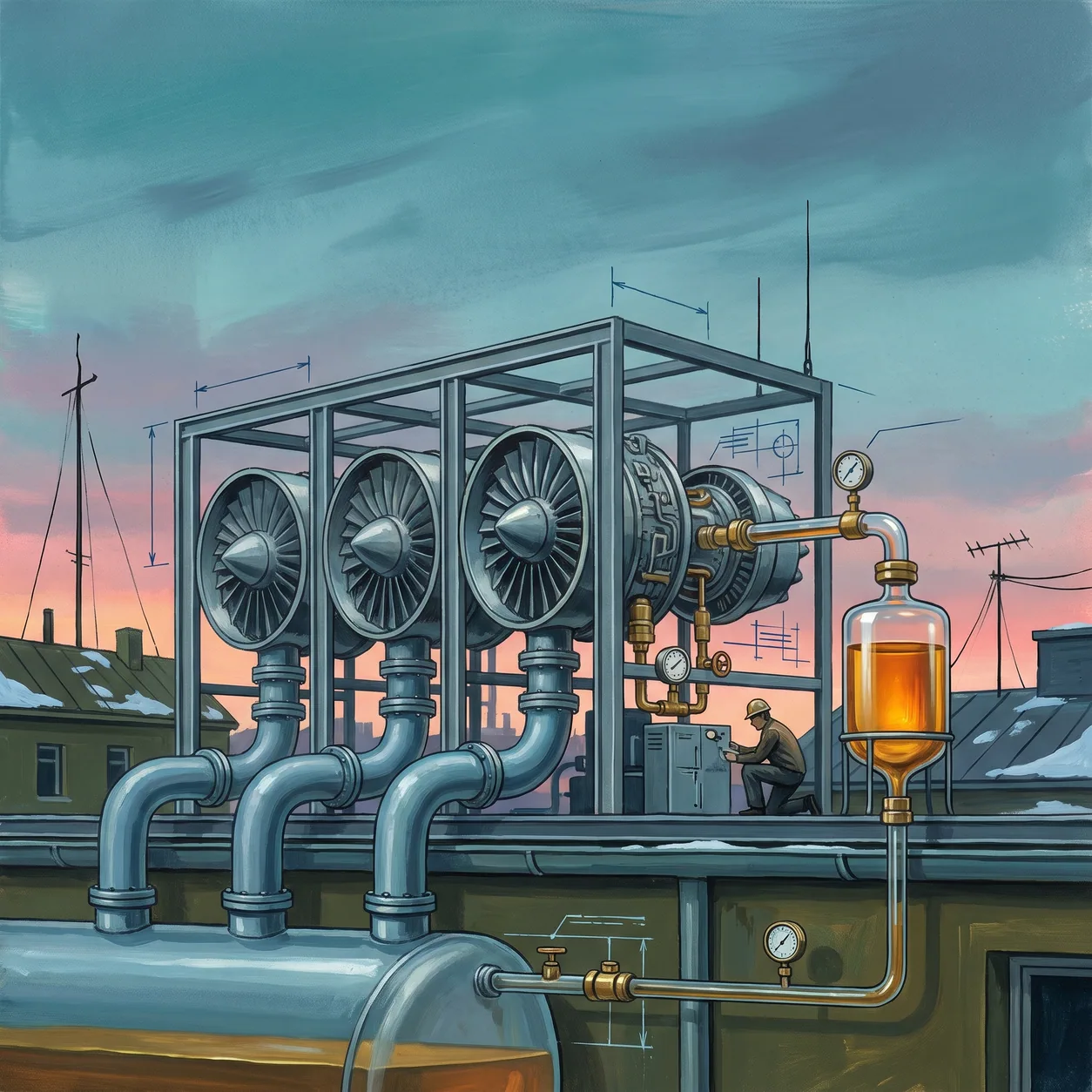
Virgin's Boeing 747 had one of its four engines connected to an independent biofuel tank that it said could provide 20% of the engine's power.
The Value of Modular Testing
In general terms, a test limited to one part of a system leaves the rest of it unchanged. That makes it easier to see what the new part does.
Testing a new input in a controlled, modular way allows organizations to validate alternative resources before committing to systemic changes.
A small test also has limits. What works in one part of a system, under watched conditions, may behave differently when it is used everywhere and every day. A single flight can show that something is possible; it cannot show by itself what wider use would cost or require. For that reason, a first test is better read as a question answered in part than as a change already made. Those who run large systems often have to decide how much a narrow result should count, and how many more steps are needed before a new method becomes routine. One reading is that progress in a complex system can be measured one component at a time.
Sources
- Portal:Current events/2008 February 24 (revision 194763352) - Wikipedia, 2008-02-28
- Biofuel flight makes aviation history - BBC News, 2008-02-24